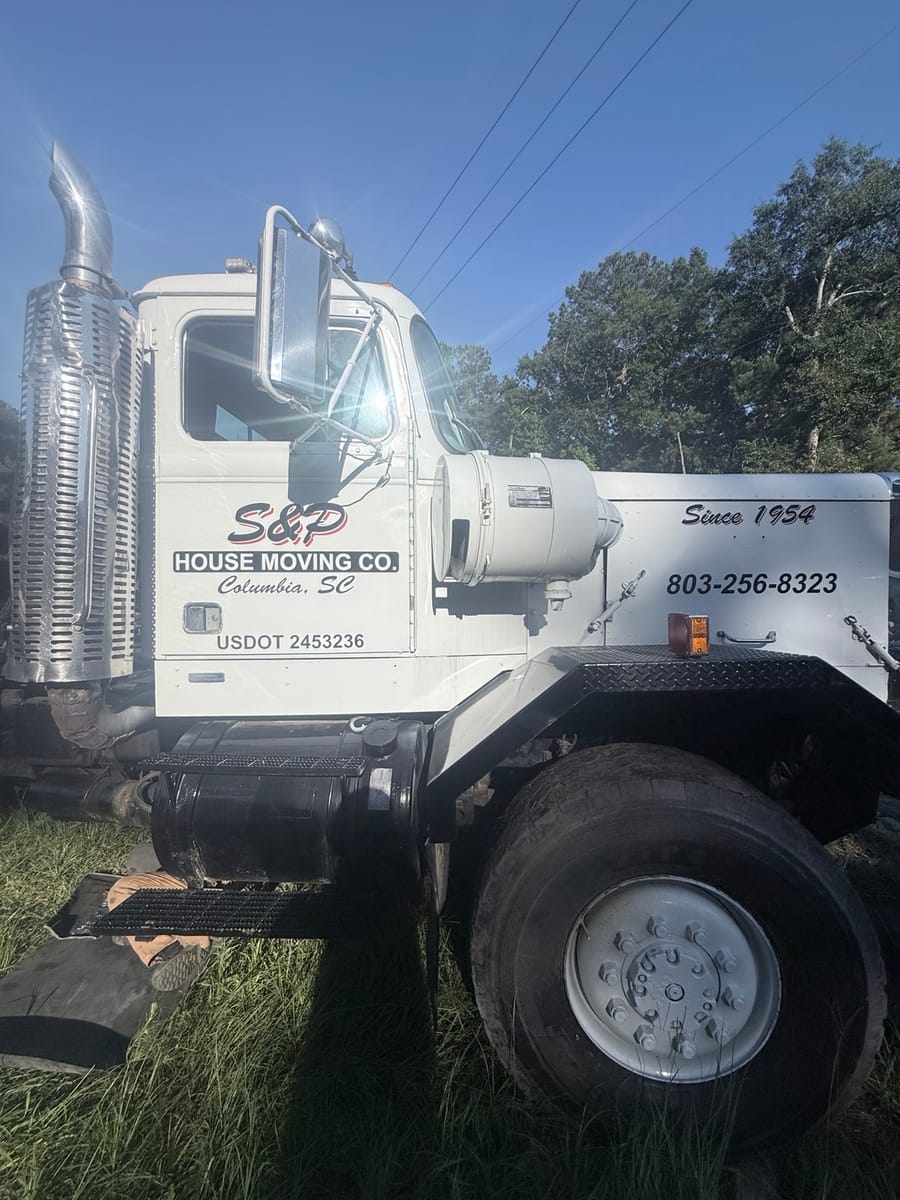
1985 Autocar: we work on any truck
If it runs diesel and needs help, we'll show up. Age is not a barrier: classic, vintage, or modern.
Cooling & Radiator Repair
Temperature gauge creeping up, coolant disappearing, or a fan that never shuts off? We track down cooling problems on-site so the part that gets replaced is the one that actually failed.
Cooling Problems We Diagnose
Temps that climb at idle, in traffic or on a slow pull, from a stuck thermostat, a lazy fan or a blocked stack.
Leaks at hoses, clamps, radiator tanks and the water pump, or internal loss through an EGR cooler or head gasket.
Radiator, charge air cooler and A/C condenser sit stacked together. Packed fins cut airflow even when the pump is fine.
Air-actuated and viscous fan clutches, weeping or noisy water pumps, and worn belts and pulleys.
Why Test Before Replacing
A radiator gets swapped and the truck still runs hot, because the real problem was a fan clutch that never locked up or a stuck thermostat. Coolant gets topped off for weeks while an EGR cooler leaks internally. On a Class 8 truck the coolant also carries heat from the transmission and engine oil coolers, and the radiator shares its airflow with the charge air cooler and A/C condenser, so one weak link can look like several.
We work through the system at the truck: temperature and fan data, a cold pressure test, the stack, and the coolant itself. You get a clear answer on what failed before a radiator or pump gets ordered.
Our Cooling System Process
Coolant temperature, fan command and active codes show when it gets hot and whether the fan is told to run.
We confirm the fan clutch engages (air supply on on/off clutches, lock-up on viscous ones) and check the stack for debris.
Pressurizing the system engine-off finds leaks at hoses, tank seams, thermostat housing, water pump, heater core or cap.
Coolant or oil at the pump weep hole tells us which seal failed. Bearing noise, belt drive and thermostat opening get checked too.
With no puddle, we test the coolant for combustion gas and watch exhaust and oil to separate an EGR cooler from a head gasket.
Conventional coolant gets a nitrite strip test for liner protection, with additive if it is low. Extended-life coolant gets a condition check.
Repairs At The Truck
Many cooling repairs are finished on the first visit: split or soft hoses, worm-gear clamps loosened by heat cycling, a thermostat and seal, a belt or tensioner, a fan clutch that is not getting air, or a packed cooling stack.
Radiators, water pumps, fan clutch assemblies and EGR coolers are specific to the engine and chassis. We confirm the failure, get the correct part for your unit, and install it where the truck sits. A leaking charge air cooler causes low power and black smoke, so we pressure test it while we are there. On many late-model engines coolant also heats the DEF tank, so a cooling fault can surface as an aftertreatment warning.
Call or text Lowcountry Diagnostics and we'll find the cooling fault at the truck.
That pattern usually points to airflow, not coolant flow. At idle and in slow traffic the fan does most of the work, so a fan clutch that is not engaging (an air-actuated clutch that is not getting air, or a viscous clutch that has lost its fluid) or a cooling stack packed with debris shows up there first. We check both before anyone condemns the radiator or water pump.
Coolant that disappears without a puddle is often going inside the engine. A cracked EGR cooler usually shows as white, sweet-smelling exhaust at start-up or under load while the oil stays clean. A head gasket is more likely to push bubbles into the overflow tank or contaminate the oil. We pressure test, check the coolant for combustion gas, and watch the exhaust and the oil to tell them apart.
Yes. All of our work is done on-site at your yard, jobsite or roadside. Hoses, clamps, thermostats and belts are often handled on the first visit. For a radiator, water pump or EGR cooler we confirm the failure, get the correct part for your unit, then install it at the truck.
Pull over when it is safe and let the engine cool. Do not open the radiator or surge tank cap while the system is hot and under pressure. Then text (843) 310-0995 with your location, a photo of the gauge and any warning lights, and whether you see steam, a puddle or white smoke.
Tell us where the truck is and what the temperature gauge is doing. For a truck that is overheating now or stranded, calling or texting is fastest.
Overheating right now? Call or text (843) 310-0995.
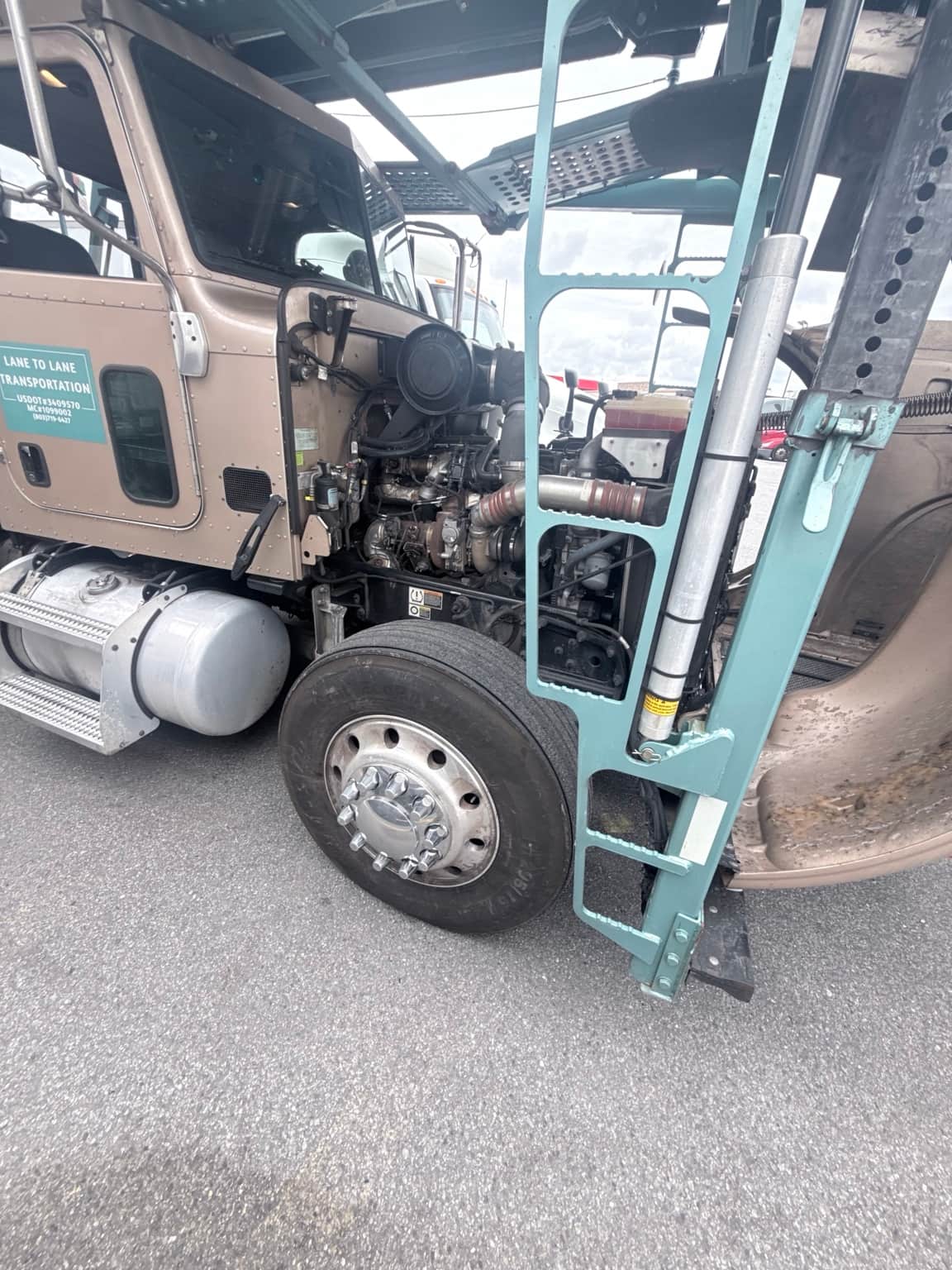
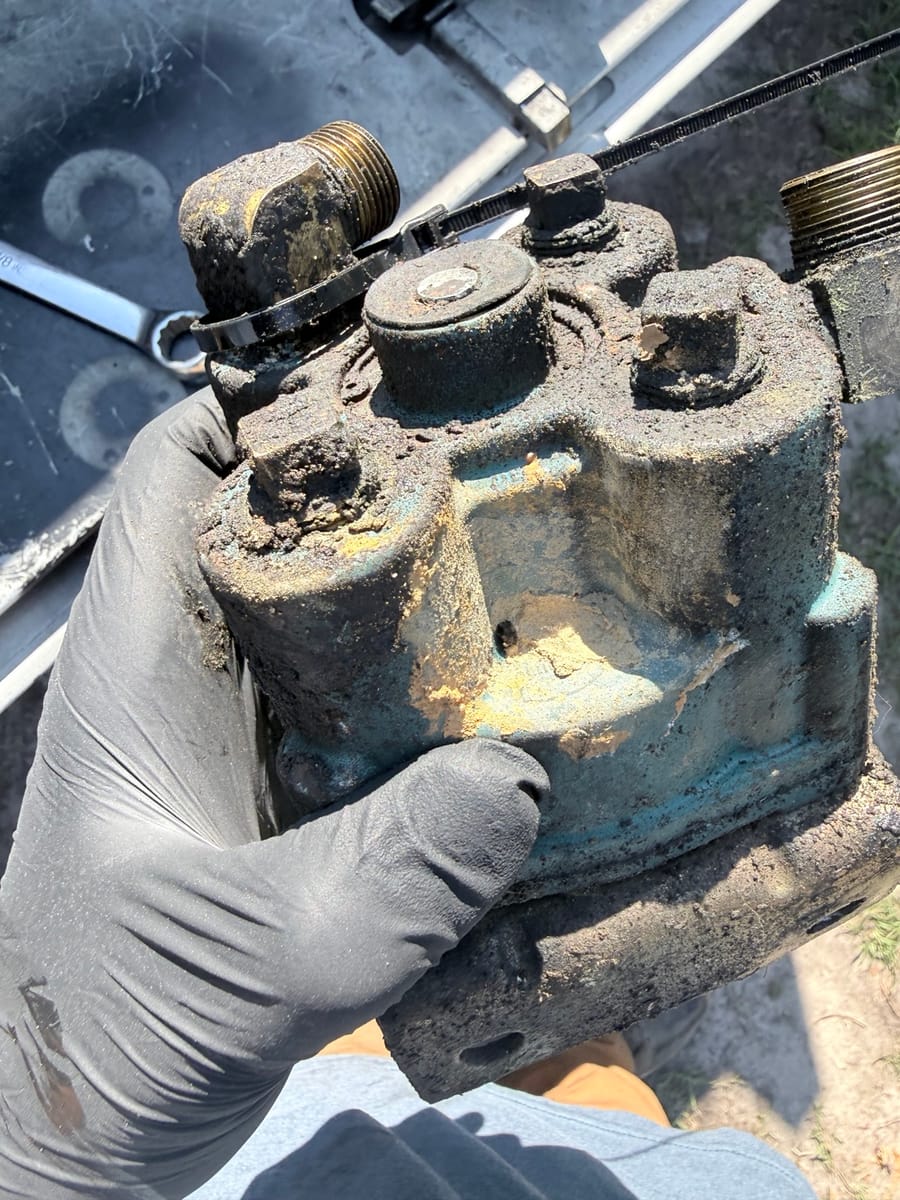
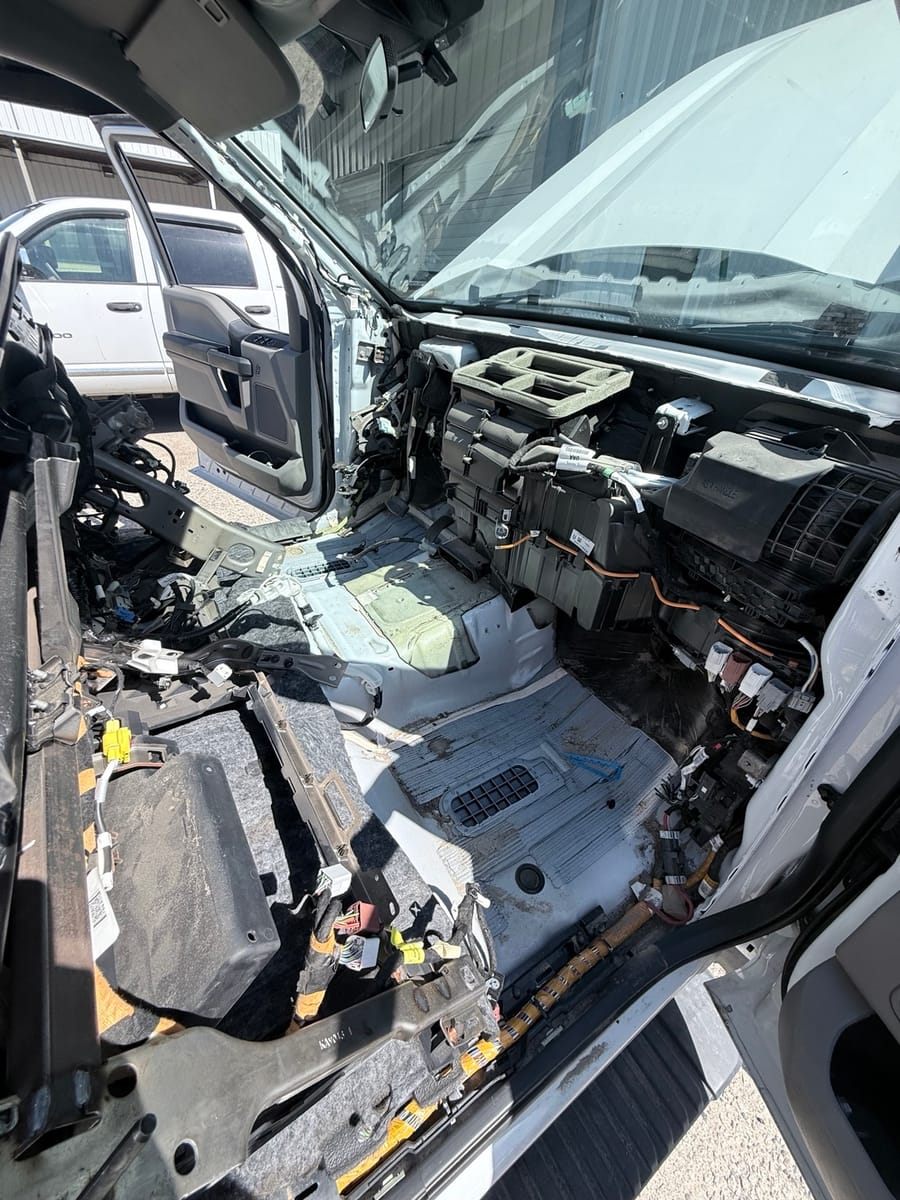
Recent Repair Photos
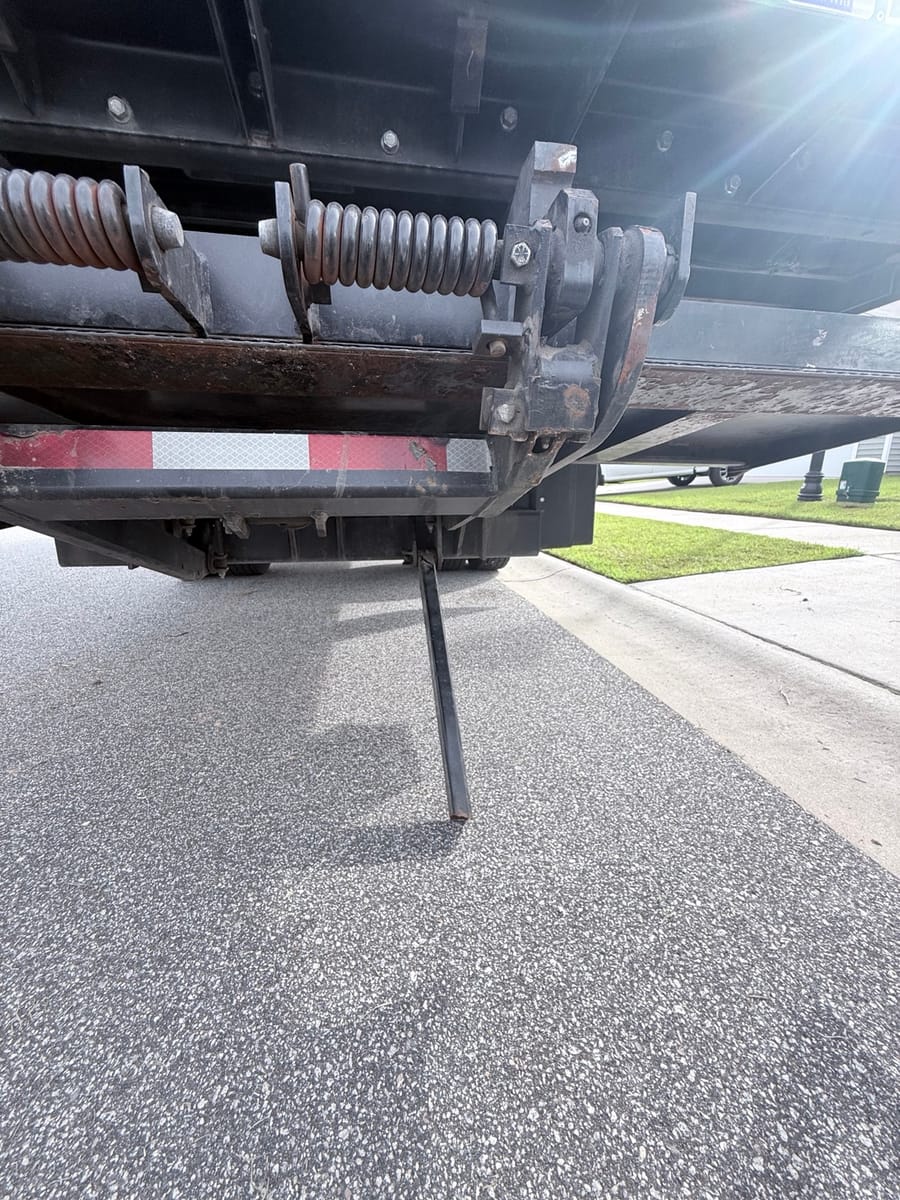
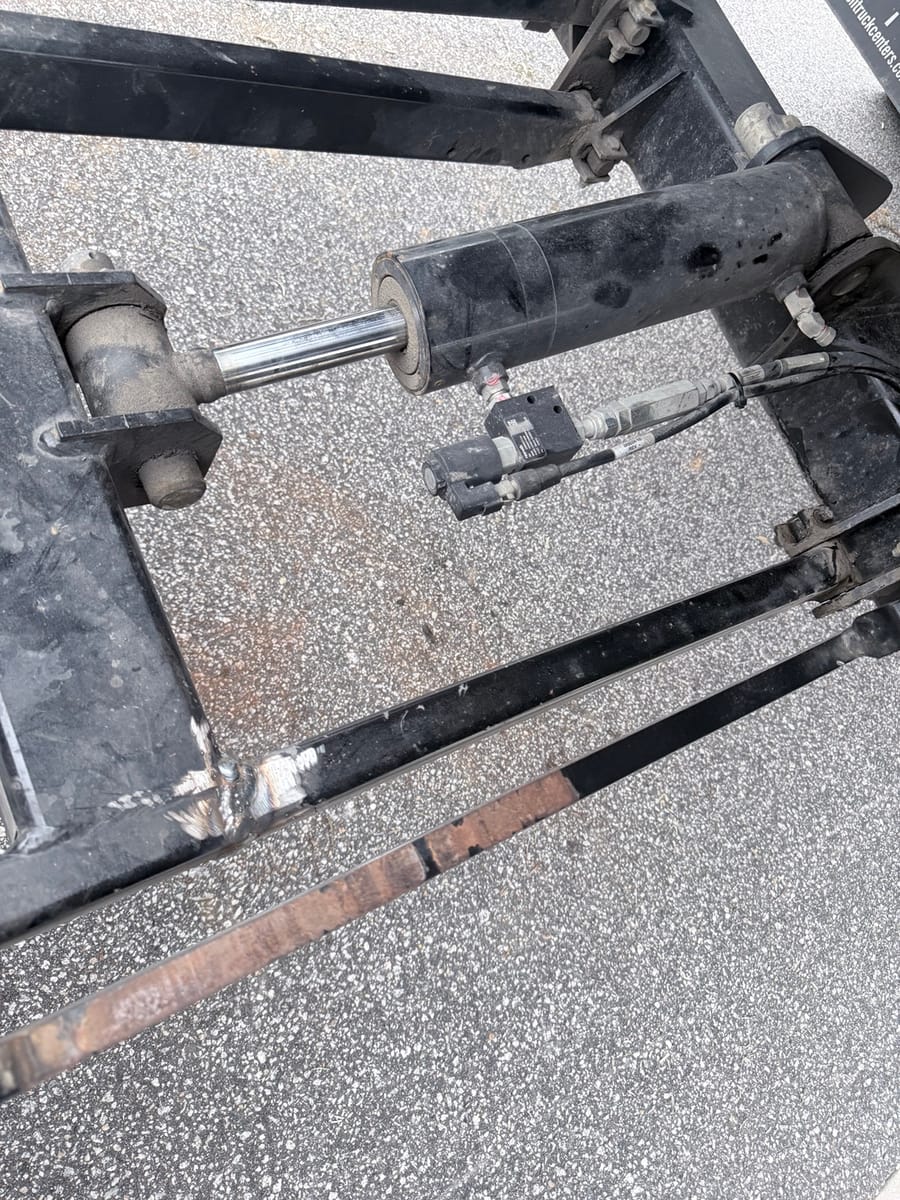
Real field photos from Lowcountry Diagnostics, from engine diagnostics and electrical to hydraulic, HVAC, and heavy-duty truck service, handled on-site across the Charleston area.
Reviews
“These gentlemen are very helpful and methodical about the way they go about diagnosing your truck I recommend them”
“He stayed on top of troubleshooting and never stopped until everything was fixed.”